Top 5 best value electric Scooters (August 2026)
Compare value electric Scooters with updated prices, editorial scores, technical data, and buyer satisfaction before choosing.
- 1
- 2
- 3
12 Models reviewed
Reviews and comparisons for Electric Scooters, focused on commute range and speed, braking and ride control so you can choose by use case and budget.
Compare value electric Scooters with updated prices, editorial scores, technical data, and buyer satisfaction before choosing.
These shortcuts come from the category's active use cases and stay in sync with each cohort analysis block.
Useful when this use case matters more than a generic top pick.
See use-case analysisUseful when this use case matters more than a generic top pick.
See use-case analysisPractical snapshot of Electric Scooters: current prices, documented specs, and the axes where reviewed products differ most.
Ranking computed with the editorial score specific to this category.
Search by text, sort products, and surface the key features that matter most to you.
9 products
No products match that search or filter combination.
Quick comparisons
Select 2 products to see the comparison in this section.
No products match that filter combination.
Use-case analysis
This section separates Commuter scooter within Electric Scooters. Adult scooters built for repeated urban commuting with range, brakes, lights, and folding practicality. The selection is hydrated from published reviews, current price context and editorial scoring.
Hiboy 500W 10-inch Electric Scooter
UL 2272 certified · Folding frame
Hiboy S2 Pro
UL 2272 certified · Folding frame
Roinside UP2P
Folding frame · Solid tires
Updated: 2026-08-08 01:48 UTC
Use-case analysis
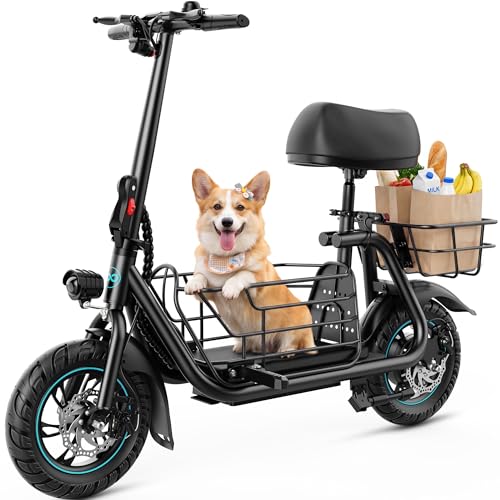
This section separates Seated scooter within Electric Scooters. Scooters where seat comfort, errands, cargo, and stability are central to the buyer route. The selection is hydrated from published reviews, current price context and editorial scoring.
Updated: 2026-08-08 01:48 UTC
Electric scooters should be judged as mobility devices, not toys with a motor. The right pick depends on your route: commuting, last-mile carry, seated errands, long rides, or rough pavement. Range matters, but braking, battery safety, weight, and folding practicality usually decide whether the scooter fits daily life.
| Use case | Prioritize | Avoid paying more for |
|---|---|---|
| Daily commuter | Range reserve, brakes, lights, folding | Peak speed hype |
| Last-mile rider | Low weight, compact fold, easy carry | Extra range you will not use |
| Seated errands | Seat, stability, cargo space | Portability claims |
| Apartment storage | Fold size, carry friction, battery safety | Bulky frames |
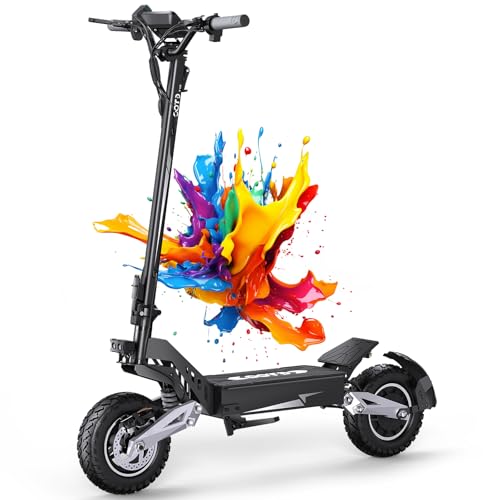
| Rough pavement | Pneumatic tires, suspension, strong brakes | Cosmetic off-road styling |
| Long-distance rider | Battery capacity, comfort, charging route | Best-case range claims |
This matters whenever the scooter will share space with cars, bikes, or crowded sidewalks, because stopping control is a safety feature, not a bonus.
This matters most for indoor charging, apartment storage, and workplace use, where explicit certification and charger details should be visible.
This matters when the scooter must cover a real commute with reserve left for detours, hills, and speed variation.
This matters for stairs, trains, lifts, and any route where the scooter has to be carried instead of ridden.
This matters when storage, transit, or trunk loading is part of daily use and the fold has to be quick and repeatable.
This matters when pavement is rough, wet, or broken, because tire type and size shape comfort and control more than motor claims do.
This matters for potholes and longer rides, especially when the buyer wants comfort without slowing down for every crack in the road.
This matters for early commutes, night riding, and visibility in traffic, where headlight and taillight evidence should be explicit.
A fast scooter is not a good scooter if the brakes, tires, and deck stability do not support that speed.
Generic safety language does not prove system certification, charger compatibility, or safer indoor charging.
A scooter marketed as portable can still be miserable on stairs or trains if the folded weight and size are too high.
Chunky visuals do not replace pneumatic tires, suspension, and brake evidence when the pavement is bad.
Long-range claims only help if the rider actually needs the reserve and can live with the extra weight and charging time.
Kids toys and kick scooters do not meet the same braking, battery, and commute standards as adult electric scooters.
We assess each model by real buyer fit, confirmed specs, current price, availability and visible customer feedback. The recommendation depends on whether range, braking and portability make sense for the way the product will actually be used.
The score is not a generic average: it weights the axes that matter most in this category and combines them with documented specs, current price, and user rating when the sample is useful.
Weight 22%. The useful range and top speed must match the buyer's commute without relying on best-case claims.
Weight 24%. Brakes, tires, suspension, lights, and deck stability decide whether speed feels controlled rather than risky.
Weight 22%. Battery certification, charger compatibility, and charging routine are central safety and ownership signals for e-scooters.
Weight 17%. A scooter that is too heavy, bulky, or awkward to fold can fail the last-mile use case even with good specs.
Weight 15%. Seat, app, serviceability, payload, water resistance, and accessories determine whether the scooter fits daily use.
Editors keep room to penalize weak documentation, unsupported claims, or practical friction that specs do not capture cleanly. User stars can adjust the final score, but they do not replace the technical evaluation.
A product can move down the list when strong headline specs are offset by weak setup, unclear maintenance, subscription friction, poor portability or accessory-only evidence. We do not treat spare parts, mounts, filters or unclear variants as complete products.
Start with the use case that matches your situation, then compare the specs and trade-offs that affect ownership. Prices, availability and new reviews can change the shortlist as better evidence appears.
Yes, if they are built for adult use with enough range, reliable brakes, and proper lighting. A commuter scooter should be judged by real-world ride fit, not just top speed or motor wattage.
Real-world range is usually lower than the advertised claim because rider weight, hills, wind, tire type, and speed all affect battery use. For commuting, look for a range reserve that comfortably covers your round trip without relying on best-case conditions.
Braking performance, tire quality, lights, and battery-system certification matter most. If the scooter is meant for daily use, explicit UL 2272 or equivalent certification, clear charger details, and documented brake type are important buying signals.
Very important for comfort and control, especially on rough pavement or longer rides. Pneumatic tires and suspension usually improve ride quality and stability, while solid tires reduce maintenance but can feel harsher over broken surfaces.
Only if the scooter is truly portable in weight, folded size, and folding design. A foldable frame helps, but a heavy scooter can still be impractical for apartments, trains, or frequent carry use.
Keep tires properly inflated if they are pneumatic, check brakes and lights regularly, and follow the correct charging routine for the battery. Also confirm charger compatibility and inspect the folding mechanism, deck, and fasteners for wear if you ride daily.